
- Opening Hours
- Timing: Mon to Sat - 10 AM to 6 PM
- Address: Positron Hospital, Health Center Plot Block B Suncity, Sector 35, Suncity Township-I, Rohtak, Haryana 124001
- Call Us+123-456-78-09
- Opening Hours
- Timing: Mon to Sat - 10 AM to 6 PM
- Address: Positron Hospital, Health Center Plot Block B Suncity, Sector 35, Suncity Township-I, Rohtak, Haryana 124001
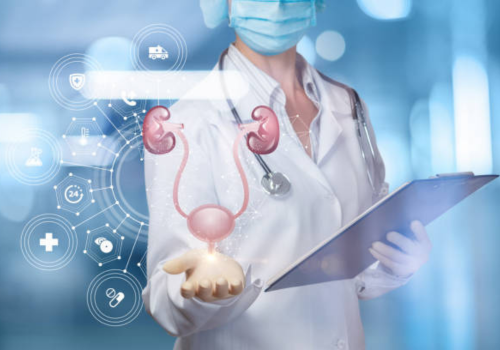
Understanding the Scope of Urological Conditions
The urinary tract and male genital system can be affected by a wide range of issues, from common infections to complex chronic conditions. Kidney stones, for instance, cause severe pain and recurrent episodes if not managed properly. Prostate disorders, such as benign prostatic hyperplasia (BPH) or prostatitis, often lead to urinary difficulties, frequent nighttime urination, and reduced quality of life in men. Urinary tract infections (UTIs), though more prevalent in women, can become complicated and recurrent in both genders, requiring targeted therapy to prevent kidney damage.
Other common concerns include urinary incontinence, which affects bladder control and leads to embarrassment or social withdrawal; erectile dysfunction and male infertility, which impact personal relationships and family planning; and urological cancers like bladder, kidney, or prostate cancer, demanding early detection and precise intervention. Comprehensive care addresses all these conditions through an integrated model that considers the patient’s age, lifestyle, overall health, and specific symptoms.
Advanced Diagnostic Approaches
Accurate diagnosis forms the foundation of effective urological treatment. Modern comprehensive care begins with thorough evaluations, including detailed medical history, physical examinations, and state-of-the-art investigations. Non-invasive tests like ultrasound, CT scans, and MRI provide clear images of the urinary tract. Specialized procedures such as uroflowmetry assess urine flow rates, while cystoscopy allows direct visualization of the bladder and urethra.
Blood tests for prostate-specific antigen (PSA), kidney function, and hormonal profiles help identify underlying issues early. For stones or tumors, contrast-enhanced imaging ensures precise localization. These tools enable urologists to differentiate between simple infections and more serious pathologies, guiding tailored treatment strategies and avoiding unnecessary interventions.
Cutting-Edge Treatment Options
Today’s urological care emphasizes minimally invasive and laser-based techniques for faster recovery, reduced pain, and lower complication rates. Kidney stone management has evolved dramatically with procedures like laser lithotripsy, percutaneous nephrolithotomy (PCNL), and ureteroscopy (URSL/RIRS), allowing stone removal without large incisions. Patients often return to normal activities within days.
For prostate conditions, laser prostate surgery (such as HoLEP or GreenLight) effectively relieves obstruction from enlarged glands while preserving sexual function. Urinary incontinence treatments range from pelvic floor exercises and medications to sling procedures or neuromodulation for lasting control.
In male sexual health, confidential therapies for erectile dysfunction include oral medications, injections, vacuum devices, or penile implants. Male infertility evaluations involve hormonal assessments, varicocele repair, and assisted reproductive techniques. For cancers, laparoscopic and robotic-assisted surgeries offer precision with quicker healing.
The Benefits of Holistic and Patient-Centered Care
What sets comprehensive urological care apart is its focus on the whole person. Treatment plans are customized, incorporating lifestyle modifications, dietary advice, and preventive strategies to reduce recurrence. Regular follow-ups monitor progress, while multidisciplinary collaboration with nephrologists, oncologists, or gynecologists ensures seamless management of complex cases.
Patients benefit from shorter hospital stays, minimal scarring, and improved long-term outcomes. Emphasis on education empowers individuals to recognize warning signs—like blood in urine, persistent pain, or changes in urination—prompting timely intervention. This proactive approach not only resolves current problems but also safeguards future urological health.
In summary, comprehensive urological care represents the gold standard in managing urinary and reproductive disorders. By blending expertise, innovation, and compassion, it restores comfort, confidence, and vitality. If you’re experiencing any urological symptoms, seeking specialized evaluation early can make a significant difference in your health journey.